
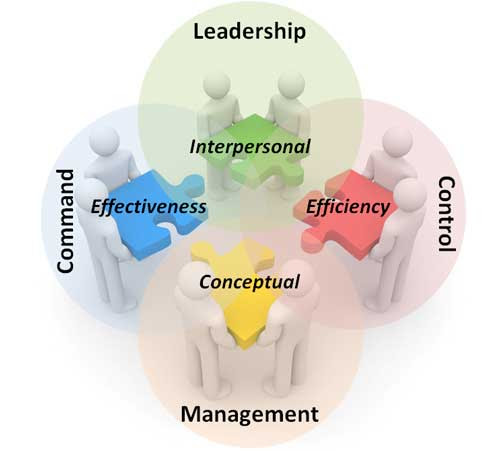
Management: The Art and Science of Leadership and Organization
Introduction
Management is a crucial aspect of any organization, playing a pivotal role in achieving goals, optimizing resources, and ensuring sustainable growth. Whether in business, healthcare, education, or government, effective management is fundamental to success. It involves planning, organizing, leading, and controlling resources to accomplish desired objectives efficiently and effectively.
Key Functions of Management
Management encompasses various functions that contribute to an organization’s success. These functions are generally classified into four primary categories:
- Planning: This involves setting objectives, identifying resources, and formulating strategies to achieve goals. Effective planning requires foresight, analytical thinking, and adaptability to dynamic environments.
- Organizing: After planning, resources must be structured in an efficient manner. This includes defining roles, responsibilities, and the delegation of tasks within an organization.
- Leading: Leadership is the ability to inspire and guide individuals toward common objectives. Effective managers motivate their teams, communicate clearly, and foster a positive work culture that enhances productivity and innovation.
- Controlling: This function ensures that organizational activities align with planned goals. It involves monitoring performance, analyzing key performance indicators (KPIs), and implementing corrective actions when necessary.
The Role of Managers in an Organization
Managers serve as the backbone of an organization, ensuring that operations run smoothly and objectives are met. Their roles can vary across different levels:
- Top-Level Managers: Responsible for strategic decision-making, setting company-wide policies, and long-term planning. Examples include CEOs, presidents, and directors.
- Middle-Level Managers: Act as a bridge between top management and operational teams. They oversee departments, implement policies, and ensure departmental goals align with company strategy.
- Frontline Managers: Directly supervise employees, handle daily operations, and ensure tasks are completed efficiently.
Management Styles and Approaches
Different management styles exist, each with its unique impact on team performance and organizational culture. Some common styles include:
- Autocratic Management: Decision-making is centralized, with little input from subordinates. This style is effective in crisis situations but may stifle creativity and employee engagement.
- Democratic Management: Encourages collaboration and decision-making involvement from employees, fostering innovation and job satisfaction.
- Laissez-Faire Management: Provides employees with autonomy and minimal supervision, suitable for highly skilled and self-motivated teams.
- Transformational Management: Focuses on inspiring and motivating employees to achieve organizational goals through vision and innovation.
Challenges in Modern Management
With rapidly evolving business landscapes, managers face various challenges, including:
- Technological Advancements: Adapting to digital transformation, AI integration, and automation.
- Globalization: Managing culturally diverse teams and navigating international market complexities.
- Workforce Expectations: Balancing employee well-being, work-life balance, and career growth opportunities.
- Crisis Management: Handling economic downturns, market disruptions, and unforeseen events like pandemics.
Conclusion
Management is both an art and a science, requiring a blend of technical expertise, leadership skills, and strategic thinking. Effective management fosters growth, drives innovation, and ensures sustainability in an increasingly complex world. Organizations that prioritize strong management principles are better equipped to navigate challenges and achieve long-term success.


9 Comments